Early Stage Specification Process
Step 3: Network Analysis and Modelling
Having established a set of requirements, concept solutions and an ITSS, it is time to create a modelling report.
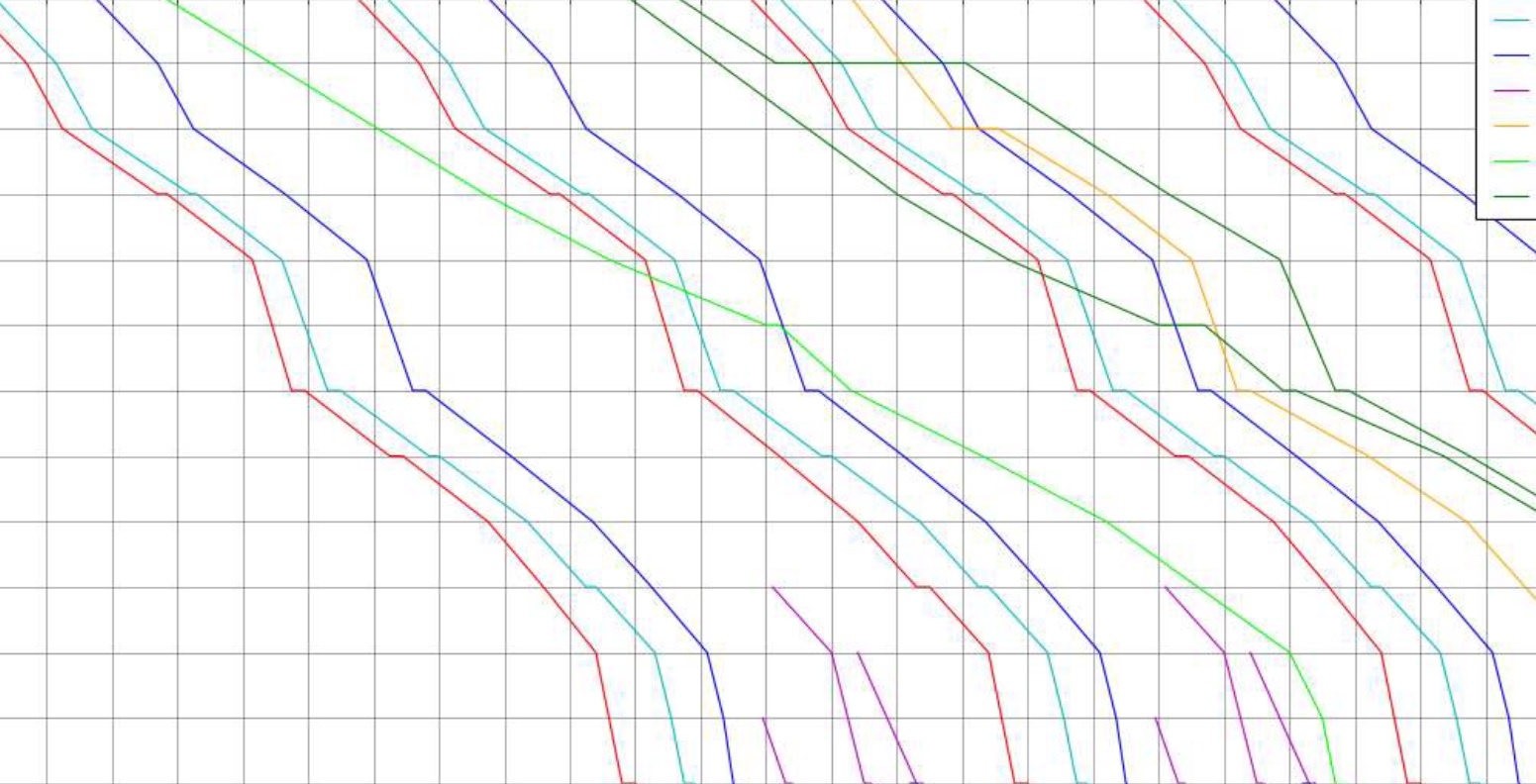
Technical experts, such as Network Rail or specialist rail consultancies, will perform capacity analysis by inputting the train service detailed in the ITSS into rail simulation tools. These tools create a concept train plan, effectively an indicative timetable, which tests the proposed service against the constraints of the assumed infrastructure, identifying pinch points where the network may lack the capacity or operational flexibility to support the new service.
The Modelling Report should detail:
- Methodology overview – clear explanation of how the modelling was carried out.
- List of assumptions made during the modelling.
- Outcomes – could the whole train service be accommodated or just part of it? What caused it not to work?
- Risks and opportunities – with every option modelled.
- Service options – if the whole service could not be accommodated, did the modellers identify any compromises that would allow it to work on the assumed infrastructure?
- Infrastructure options – did the modellers identify any changes to the assumed infrastructure (such as a modification to the track) that would allow the full service to be accommodated?
Next Steps
If the outcome of the modelling is that the whole ITSS can be accommodated on the planned infrastructure, the project can move to the next step.
If, however, the outcome is that the full service cannot be accommodated, a number of options can be taken forward to bring the desired train service outcomes and infrastructure capability closer to being aligned. Network analysis and modelling should always be recognised as an iterative, evolving process – assessing the feasibility of different options, the potential need for infrastructure enhancements and the affordability of delivering the proposed service. Each round of modelling brings in new evidence, enabling refinement to the ITSS, concept solutions and the overall case for investment.
Options to Consider
Reassessing Feasibility
As modelling evidence accumulates, it may become apparent that delivering the proposed service does not offer good value for money. If the scale of the challenge is too great, you may need to consider whether alternative transport modes could better meet the strategic objectives. In this case, take time to revisit the Multi-Modal Assessment Tool or consider implementing your exit strategy.